Thinking about a move where life feels simpler, but your day-to-day still stays connected? Lincoln, Illinois offers that balance. You get a small-town setting, short drives around town, and solid regional access for work, errands, and travel. If you want to understand what living in Lincoln is really like, this guide will walk you through the basics and help you picture daily life here. Let’s dive in.
Why Lincoln Stands Out
Lincoln is a compact central Illinois city in Logan County with an estimated 2025 population of 12,981. At about 6.25 square miles, it feels manageable and easy to learn, which matters if you want a town where getting around does not take much planning.
What gives Lincoln a different feel is how it blends local identity with regional convenience. The city sits on Historic Route 66 and just off Interstate 55. The city also notes that it is midway between Chicago and St. Louis and within 60 miles of Bloomington-Normal, Peoria, Springfield, Decatur, and Champaign-Urbana.
Lincoln also carries a unique historical identity. The city says it is the only city in the world named for and christened by Abraham Lincoln before he became president. That history is not tucked away in one corner. It shows up across downtown, museums, and community landmarks.
Getting Around Lincoln and Beyond
For many people, one of the biggest questions about small-town living is access. In Lincoln, driving is the clearest regional advantage. With Interstate 55 nearby and Old Route 66 running through town, you can move easily between local routines and trips to larger cities in central Illinois.
Daily life inside Lincoln is also practical. Census data shows the mean travel time to work is 18.2 minutes, which supports the idea of a shorter, more manageable commute. If you are used to spending much longer in traffic, that can be a meaningful lifestyle change.
Rail travel is another part of Lincoln’s appeal. Amtrak’s Lincoln station is on the Lincoln Service route between Chicago and St. Louis, with daily service listed by Amtrak. The station is unstaffed, but Amtrak notes free same-day and overnight parking along with an accessible platform.
What Everyday Life Feels Like
Life in Lincoln tends to center on routine convenience, civic institutions, and familiar local places. Because the city is compact, basic errands, appointments, and activities can feel more straightforward than they do in a larger metro area.
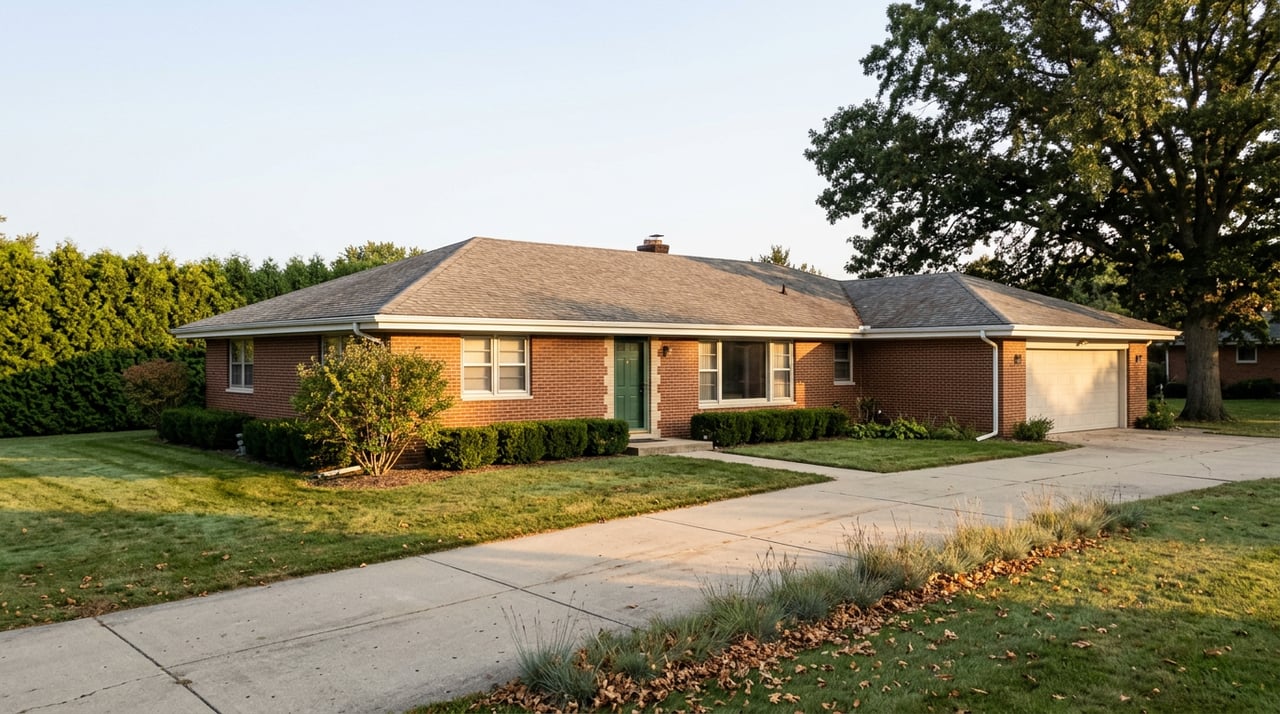
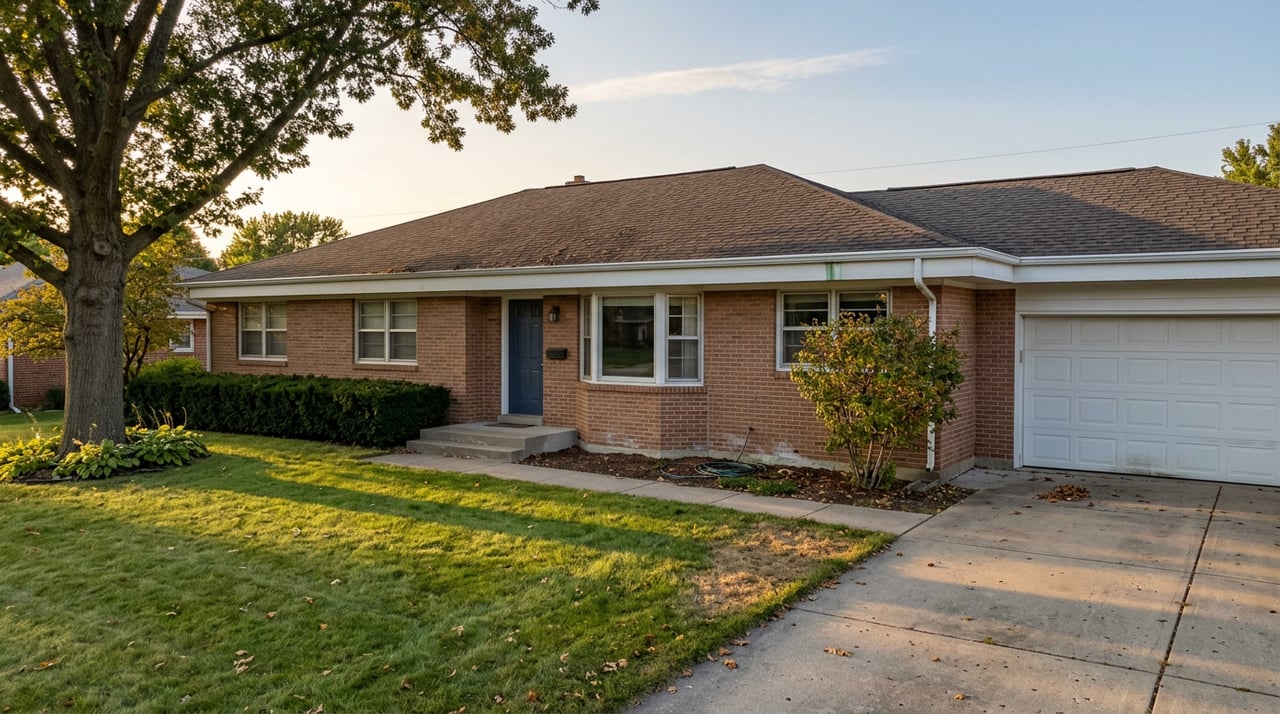
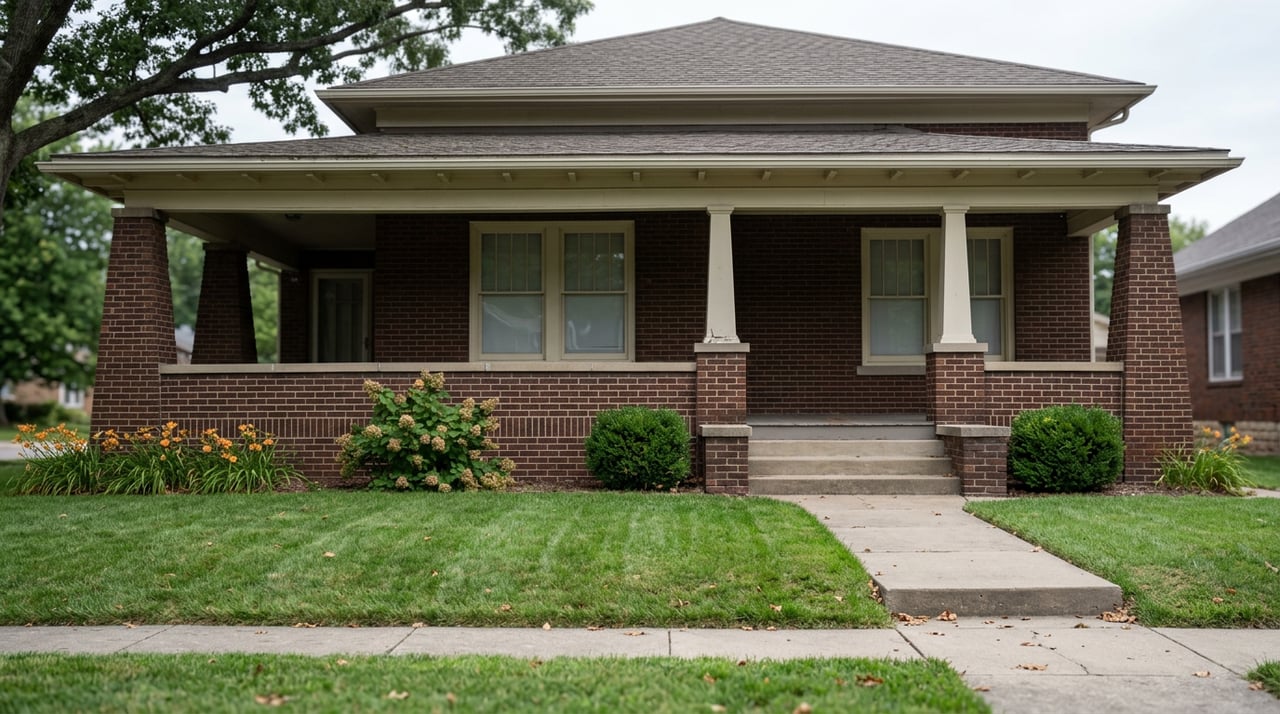
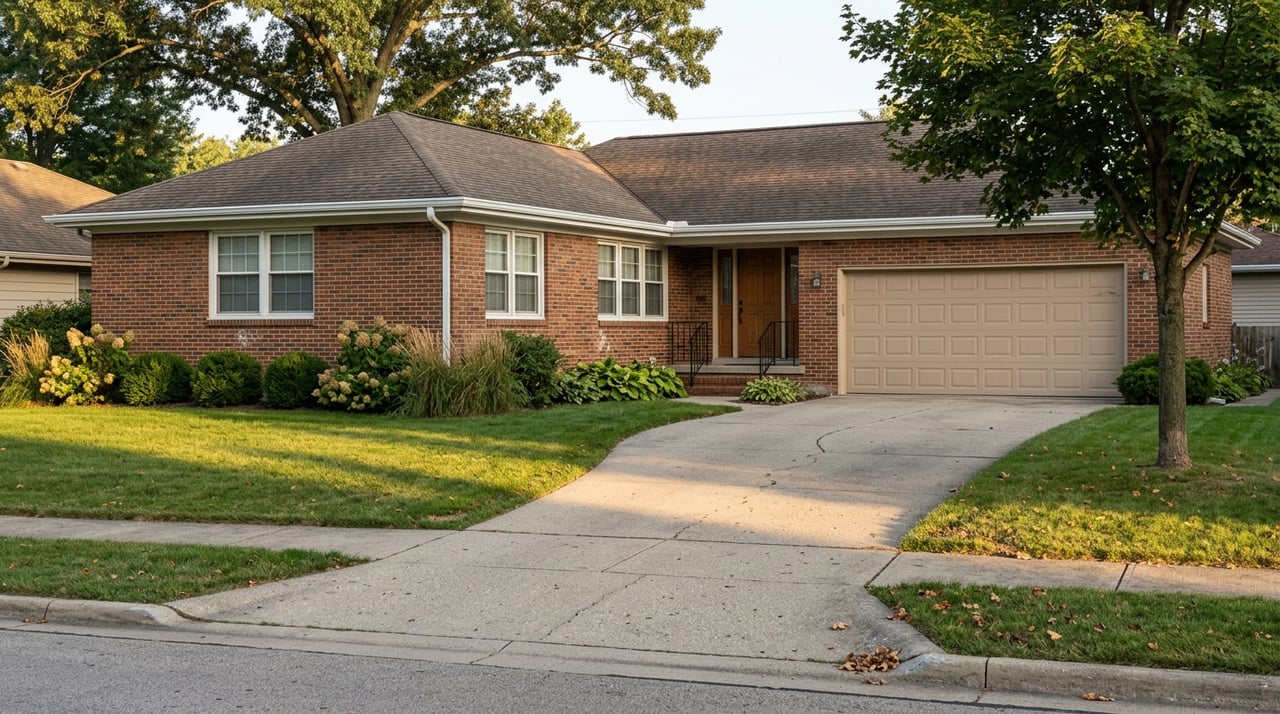
The housing snapshot also reflects a practical small-city market. Census QuickFacts reports an owner-occupied housing unit rate of 56.9%, a median owner-occupied home value of $124,300, and a median gross rent of $828. Those figures help set expectations if you are comparing Lincoln with other central Illinois communities.
For buyers who want a small-town home base with access to the wider region, Lincoln offers a setup worth a close look. It can fit people who value ease, shorter drive times, and a community scale that feels approachable.
Work and Local Services
A healthy community usually depends on dependable institutions, and Lincoln has several that shape local life. The visible employment base includes health care, education, and public services, which gives the city a steady everyday framework.
Lincoln Memorial Hospital is a 25-bed critical access hospital and part of Memorial Health. Memorial Health says services in Lincoln include behavioral health, home care, hospice, and primary care. For residents, that means important care services are available close to home.
Education is another major part of the community structure. Lincoln Community High School District 404 and Lincoln Elementary School District #27 both maintain employment-related pages, and the Lincoln Park District does as well. The City of Lincoln also maintains job-announcement and economic-development pages, making local information easier to access.
Parks and Recreation in Lincoln
If you like having options for fresh air, sports, and family activities, Lincoln has more going on than some buyers might expect from a city its size. The Lincoln Park District plays a major role in local recreation and lists both neighborhood parks and city parks.
Facilities and amenities listed by the park district include an Aquatic Center, Sports Complex, Fit Zone, ball fields, a driving range, and room rentals. Named park spaces include Exchange Club Park, Lehn & Fink Park, Memorial Park, Mayfair Park, Melrose Park, Postville Park, and Ray White Park.
That kind of recreation mix can make daily life more flexible. You do not always need to plan a long outing to stay active or find something to do. In a smaller city, having these options spread through the community can make a real difference.
Downtown Lincoln and Local Errands
Downtown Lincoln is one of the city’s strongest lifestyle features. The city describes the historic downtown district as being on the National Register of Historic Places and centered on Courthouse Square. That gives the area a sense of place that goes beyond basic shopping and dining.
Nearby civic and cultural stops include the Lincoln Public Library, Logan County Genealogical & Historical Society, Odd Fellows Museum, and the Postville Courthouse. The library itself is a Carnegie library from 1902, which adds to the sense of long-standing local history.
For everyday outings, the city highlights a mix of boutiques, antiques, florals, restaurants, a brewery, and arts and entertainment destinations. It also points to attractions such as the Lincoln Arts Institute, Lincoln Elks Golf Club, Lincoln Speedway, and Logan Lanes. For a small city, that creates a nice range of ways to spend your time close to home.
Lincoln’s Route 66 and Historic Identity
Lincoln’s history is not just a point of pride. It is part of the town’s day-to-day atmosphere. Route 66 heritage remains especially visible, and the local tourism bureau operates from the restored historic train depot.
The city continues to spotlight Route 66 stops, murals, and other landmarks across town. If you enjoy living somewhere with a clear sense of story, that can add a lot to the experience of being a resident.
The Lincoln Heritage Museum is another important local anchor. The museum remains open on the former Lincoln College campus even after the college closed in 2022. That helps keep Lincoln’s Abraham Lincoln connection present in the community rather than limiting it to a single site or event.
Community Events and Traditions
Events can tell you a lot about a place, and Lincoln has a few recurring traditions that help define community life. Third Fridays Downtown is a free, family-friendly summer event series that brings activity into the city center.
Another well-known tradition is Balloons Over 66, which the Illinois tourism office describes as a classic Americana hot-air-balloon festival in Lincoln. Events like these can give residents regular chances to gather, explore downtown, and enjoy something beyond the normal weekly routine.
For buyers considering a move, these traditions matter because they show how the city uses its public spaces and identity. They help paint a fuller picture of life in Lincoln beyond housing alone.
Who Lincoln May Appeal To
Lincoln may be a strong fit if you want a community that feels smaller without feeling cut off. The location works well for people who want access to Interstate 55, appreciate rail service as an option, or need to reach other central Illinois cities with relative ease.
It may also appeal to buyers who value a practical housing market, short commutes, local parks, and a downtown with everyday usefulness. Instead of choosing between quiet living and regional connection, Lincoln offers a blend of both.
If your goals include finding a small-town or country home base in central Illinois, Lincoln deserves a spot on your list. It offers local history, civic stability, and convenient transportation links in one place.
Whether you are comparing communities, preparing to buy, or thinking about selling a small-town or country property in central Illinois, local insight matters. If you want practical guidance and a straightforward conversation about your next move, reach out to Brad Graham.
FAQs
What is Lincoln, Illinois known for?
- Lincoln is known for its Abraham Lincoln history, its location on Historic Route 66, its historic downtown around Courthouse Square, and community events like Third Fridays Downtown and Balloons Over 66.
How big is Lincoln, Illinois?
- Lincoln is about 6.25 square miles with an estimated 2025 population of 12,981, according to Census QuickFacts.
How convenient is commuting from Lincoln, Illinois?
- Census QuickFacts lists the mean travel time to work in Lincoln at 18.2 minutes, and the city’s location near Interstate 55 supports easy regional driving.
Does Lincoln, Illinois have train service?
- Yes. Amtrak’s Lincoln station is on the Lincoln Service route with daily service between Chicago and St. Louis, plus free same-day and overnight parking.
What parks and recreation options are in Lincoln, Illinois?
- The Lincoln Park District lists neighborhood and city parks along with an Aquatic Center, Sports Complex, Fit Zone, ball fields, a driving range, and room rentals.
What is downtown Lincoln, Illinois like?
- Downtown Lincoln centers on the historic Courthouse Square and includes civic, cultural, shopping, dining, and entertainment destinations, along with several historic sites.
Is Lincoln, Illinois a good place to consider for small-town living?
- Lincoln can appeal to buyers who want a compact community, short local drive times, practical housing costs, and strong connections to other central Illinois cities.