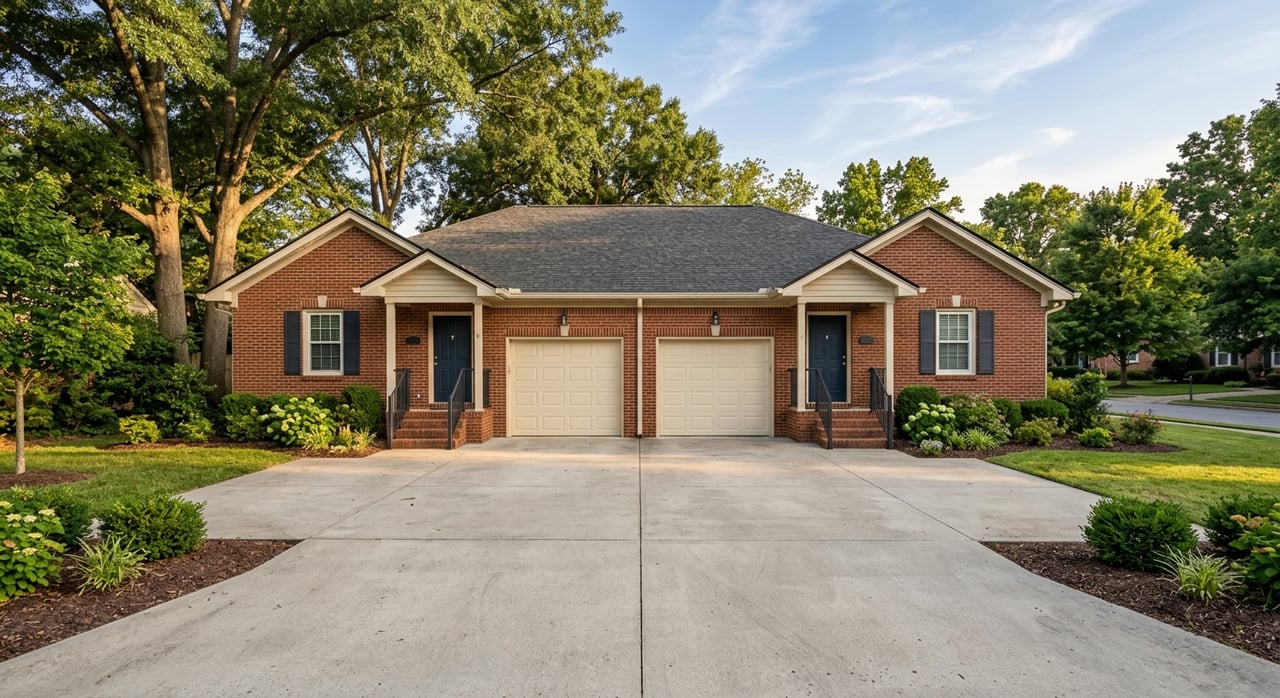
Thinking about buying your first rental property in Lincoln, Illinois? You are not alone. For many investors, a smaller central Illinois market feels more approachable than a big-city rental market, but you still need a plan that fits local rents, local rules, and the condition of the property you buy. This guide will walk you through what matters most in Lincoln so you can start with clearer expectations and smarter next steps. Let’s dive in.
Why Lincoln Appeals to New Landlords
Lincoln is a small city with 13,281 people and 6,357 housing units, which gives you a market that is easier to study than a larger metro. The city has a 56.9% owner-occupied housing rate, while Logan County overall is more owner-heavy at 68.5%. That difference suggests Lincoln itself is the more likely place to find rental inventory and renter demand within the county.
Affordability is a big part of Lincoln’s appeal. Census data shows a median gross rent of $828 in Lincoln and a median owner-occupied home value of $124,300. For a first-time rental buyer, that can mean a lower barrier to entry than in many larger markets, but it also means your numbers need to stay realistic.
Another helpful signal is renter affordability. Based on Lincoln’s median gross rent and median household income of $57,340, gross annual rent works out to about 17.3% of median household income. That suggests the typical renter is not as stretched as in some higher-cost markets, but it also points to limited room for premium pricing unless your property clearly stands out.
What Drives Rental Demand in Lincoln
Before you buy, it helps to understand why people rent in Lincoln. Stable rental demand usually comes from practical needs like work, education, access, and convenience rather than luxury amenities. In a market like this, useful features often matter more than flashy upgrades.
Education and training access
The City of Lincoln lists multiple grade schools, Lincoln Junior High School, private K-8 options, and Heartland Community College classes offered in Lincoln. That local education footprint can support demand from households who want to live near school and training locations. It can also help support steady interest from school-related staff and adult learners.
Healthcare employment
Healthcare is another important local anchor. Lincoln Memorial Hospital is a 25-bed critical access hospital, and Memorial Health also provides behavioral health, home care, hospice, and primary care services in Lincoln. A local healthcare presence can support rental demand from employees, service providers, and people who want to stay close to care.
Regional connectivity
Lincoln also benefits from its location. The city says it is along Route 66, roughly midway between Chicago and St. Louis, within 60 miles of Bloomington-Normal, Peoria, Springfield, and Champaign-Urbana, and served by an active Amtrak stop at the Lincoln depot. That kind of regional access can widen your tenant pool beyond strictly local households.
Best Property Types to Start With
If you are buying your first rental, simple is usually better. In Lincoln, a straightforward single-family home or another small-scale rental is often the most practical place to start. That fits the city’s small-market, affordability-driven profile and can be easier to lease, maintain, and understand.
Look for layouts that match everyday renter needs. In many cases, that means a practical floor plan, usable storage, and enough bedrooms for workforce or family households. A property does not need to be fancy to perform well, but it should be functional, clean, and easy to maintain.
It also helps to avoid properties that require highly specific tenant demand. A niche layout, unusual addition, or major unfinished project may seem like an opportunity, but it can make leasing and repairs harder than expected. Your first rental should be a property you can explain clearly and operate confidently.
Check Condition Before You Buy
In Lincoln, property condition is not just about appearance. The city’s Building and Zoning Department handles permits, inspections, code compliance, and exterior property maintenance issues such as trash, weeds, and inoperable or unlicensed vehicles. That means obvious deferred maintenance can create more than just repair costs.
When you evaluate a property, look past fresh paint and staged photos. Pay close attention to the roof, HVAC, plumbing, electrical, windows, driveway, and exterior upkeep. These systems and surfaces affect both tenant appeal and your risk of future code or maintenance issues.
If a home needs work, review whether that work was permitted or should have been. The city requires building permits for construction projects and change of occupancy, and it has a fee schedule tied to project value. Lincoln also uses the 2012 International Residential Code, 2012 International Building Code, 2012 International Maintenance Code, 2012 International Fire Code, and the current Illinois Plumbing Code.
That matters most when you are considering a fixer-upper. Before you close, it is smart to understand what has been updated, what still needs attention, and whether the property can realistically be made rent-ready on your budget and timeline.
Do Not Overlook Parking and Access
In a market like Lincoln, parking can be a real leasing feature. The city’s relatively short mean commute time of 18.2 minutes and its regional driving patterns suggest many renters will value simple day-to-day convenience. Off-street parking, a solid driveway, or a garage can make your property easier to rent.
This does not mean every tenant needs the same setup. It does mean that practical features often matter more than cosmetic extras. If two rentals are similar in size and condition, the one with better parking and easier access may draw stronger interest.
How to Estimate Rent Realistically
One of the biggest mistakes new landlords make is assuming rent instead of benchmarking it. In Lincoln, public data gives you a helpful starting point. Census data shows a median gross rent of $828 in Lincoln, and Logan County’s median gross rent is $829.
HUD’s FY2025 Logan County rent limits add another layer of context. Those figures are $632 for an efficiency, $718 for a one-bedroom, $922 for a two-bedroom, $1,167 for a three-bedroom, and $1,222 for a four-bedroom. These are program benchmarks rather than guaranteed market rents, so they should guide your thinking, not replace local property-by-property comparison.
A good approach is to use both sets of numbers together. Census data helps you understand the broad local market, while HUD figures can give you a rough structure by unit size. Then compare that information to the property’s condition, bedroom count, parking, storage, and overall usability.
Underwrite Expenses With Local Data
Rent is only half the story. Your return depends just as much on expenses, and property taxes should be near the top of your checklist. In Logan County, the treasurer collects and distributes real estate taxes, while the assessor maintains parcel records, tax exemptions, maps, property records, and the parcel search tool.
The assessor also notes that assessments are equalized to the statutory 33 1/3% level. The treasurer explains that a tax bill depends on the overlapping taxing bodies tied to each parcel. In plain terms, two properties that look similar can carry very different tax bills.
That is why public tax records should be part of your early screening process, not a last-minute review. If the taxes are out of line with your rent expectations, the deal may not work no matter how attractive the asking price looks.
When Property Management Makes Sense
Some landlords want a hands-on role. Others want their rental to be a more passive investment. In Lincoln, local property management can be especially useful if you live out of town, own more than one unit, or want help with maintenance coordination, screening, reporting, and day-to-day compliance.
That support can matter in a market where code enforcement is active and where taxes and assessments are specific to each parcel. A good system can help you stay organized before small issues become expensive ones. It can also help you create a more consistent experience for tenants and a more predictable process for yourself.
For investors who want fewer surprises, management is often less about convenience and more about risk control. That is especially true when you are just getting started and still building your systems.
Set Up the Lease the Right Way
Before you place your first tenant, make sure your paperwork and process are solid. Illinois Attorney General guidance for landlords and tenants highlights security deposit rules and protections against retaliatory eviction. That means you need a lease and management process that follow state requirements from the start.
It is also wise to create a repeatable move-in process. Document the property’s condition clearly, keep your screening procedures consistent, and maintain organized records. Good habits at move-in can help prevent confusion later and give you a more professional foundation as a landlord.
A Smart First Step in Lincoln
If you are getting started with rental property in Lincoln, the best move is usually not chasing the biggest promise. It is buying a practical property in a market you understand, using realistic rent assumptions, and paying close attention to taxes, condition, permits, and everyday livability. In a small, affordable market, disciplined decisions often matter more than bold ones.
If you want help evaluating a Lincoln-area rental opportunity or figuring out whether property management fits your plans, connect with Brad Graham. Land & Home Real Estate brings a practical central Illinois perspective to investment property decisions, with services that support landlords beyond the purchase.
FAQs
What rent should you expect for a rental property in Lincoln, Illinois?
- Public data shows Lincoln’s median gross rent is $828, and HUD FY2025 Logan County rent limits list $718 for a one-bedroom, $922 for a two-bedroom, $1,167 for a three-bedroom, and $1,222 for a four-bedroom as useful benchmarks.
What type of rental property is best for a first investment in Lincoln, Illinois?
- A straightforward single-family home or other small-scale rental is often the most practical first purchase because it tends to be easier to lease, maintain, and underwrite in a smaller market.
What local issues should you check before buying a rental in Lincoln, Illinois?
- You should review condition, permit history, code compliance, parking, and property taxes early because the City of Lincoln enforces building and zoning rules and Logan County tax burdens can vary by parcel.
Why do renters choose Lincoln, Illinois?
- Rental demand in Lincoln is supported by local education options, healthcare services including Lincoln Memorial Hospital, and regional access through Route 66 and the city’s Amtrak stop.
When should you hire a property manager for a Lincoln, Illinois rental?
- Property management may be a smart choice if you live out of town, own multiple units, want more passive ownership, or need help with maintenance coordination, screening, compliance, and reporting.