June marks the beginning of summer in the United States, and for real estate investors and landlords, it signifies the onset of the peak rental season. This period sees a surge in demand as families relocate, students seek housing before the academic year begins, and job transfers increase. With rental activity reaching its zenith, it's crucial to capitalize on this momentum to maximize occupancy rates and rental income. However, to truly benefit, landlords must adopt strategic marketing, maintenance, and leasing practices tailored to this high-demand period.
Understanding the Dynamics of June's Rental Market
Seasonal Demand Drivers
Several factors contribute to the heightened rental demand in June:
- Academic Calendar: Students and their families often relocate during summer to prepare for the upcoming school year, leading to increased demand for rental properties near educational institutions.
- Family Relocations: Many families prefer moving during the summer to minimize disruptions to their children's education, making this an opportune time for landlords to secure tenants.
- Job Transfers: Companies frequently initiate employee relocations during summer, expanding the pool of potential tenants seeking housing.

Strategies to Maximize Rental Income During June
1. Optimize Property Listings
In a competitive market, a compelling property listing is essential:
- High-Quality Visuals: Utilize professional photography and virtual tours to showcase the property's features effectively.
- Detailed Descriptions: Highlight unique amenities, recent upgrades, and proximity to schools or public transportation to attract prospective tenants.
- Multiple Platforms: List properties on various rental websites and social media platforms to reach a broader audience.
2. Implement Competitive Pricing Strategies
Setting the right rental price is crucial
- Market Analysis: Research comparable properties in the area to determine competitive rental rates.
- Incentives: Consider offering move-in specials, such as discounted first-month rent or waived application fees, to entice potential tenants.
- Lease Flexibility: Offer flexible lease terms to accommodate the diverse needs of renters during the peak season.
3. Streamline Tenant Screening and Lease Processes
Efficiency in tenant onboarding can reduce vacancy periods:
- Online Applications: Utilize digital platforms for applications and background checks to expedite the process.
- Clear Communication: Maintain transparent communication regarding lease terms, policies, and expectations to foster trust with prospective tenants.
- Prompt Responses: Respond swiftly to inquiries and schedule showings to capitalize on the increased interest during the peak season.
4. Enhance Property Appeal
A well-maintained property attracts quality tenants:
- Routine Maintenance: Conduct seasonal inspections to address any maintenance issues proactively.
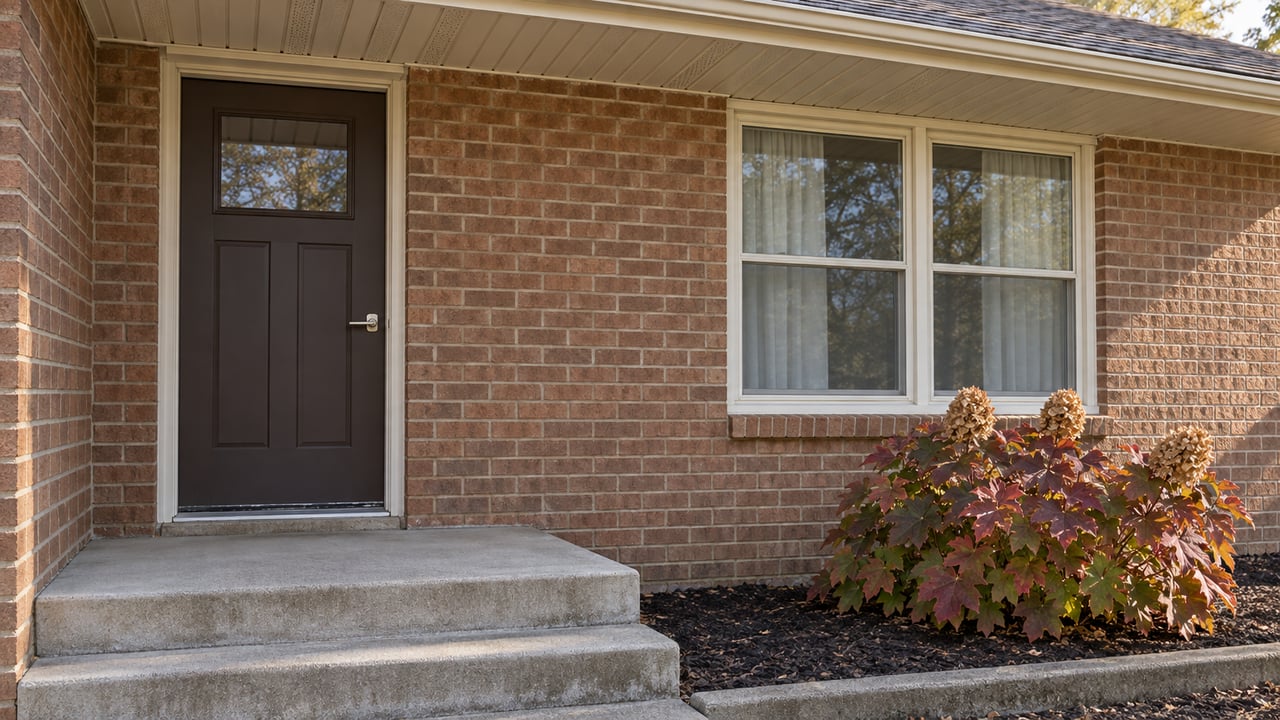
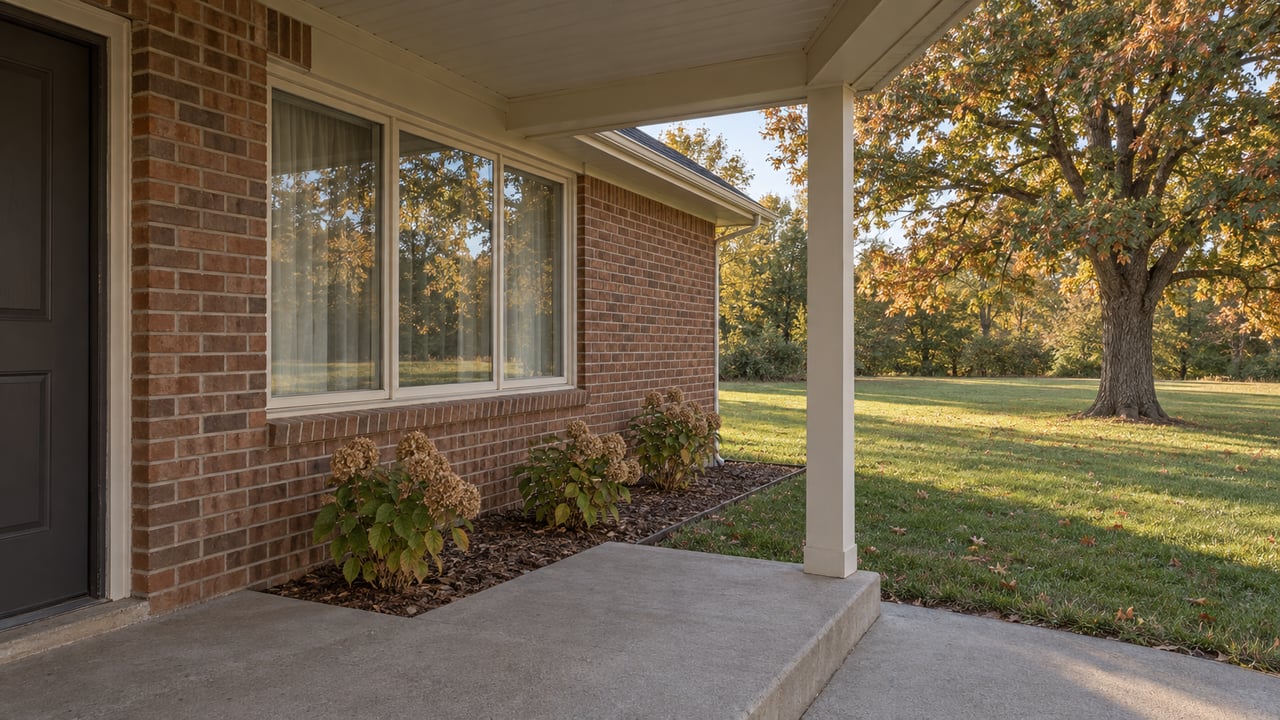
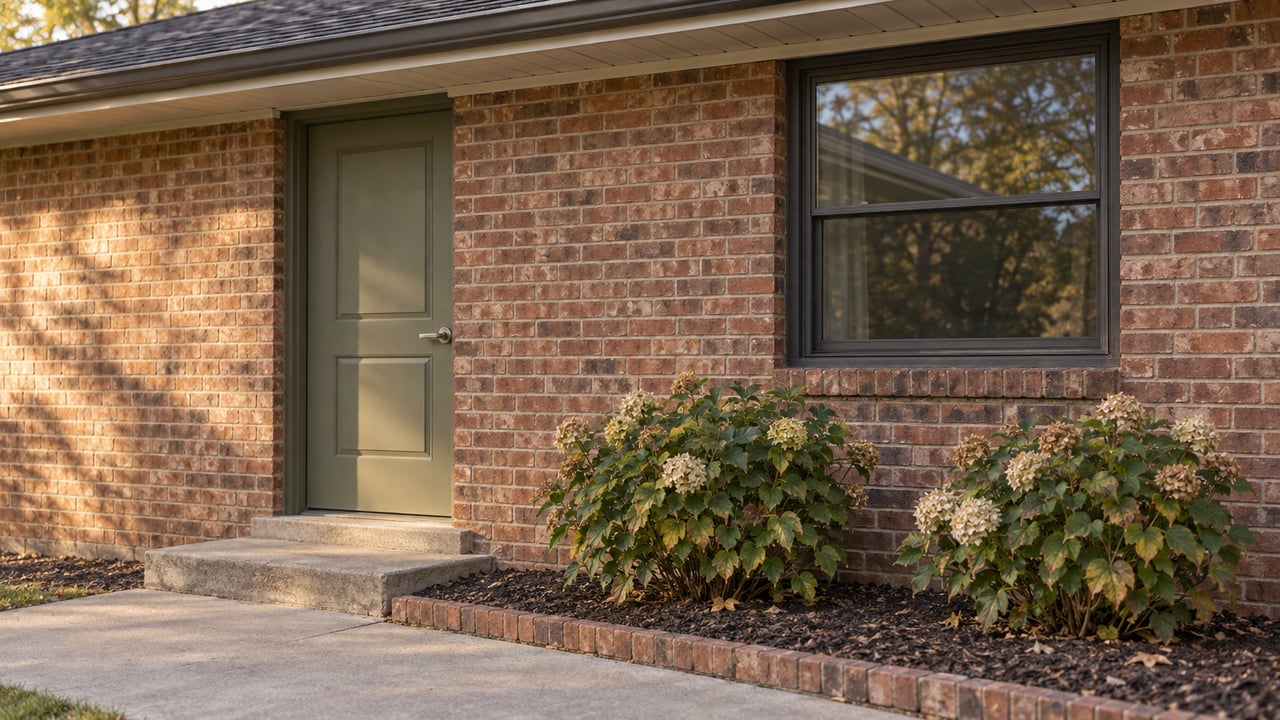
- Curb Appeal: Invest in landscaping and exterior improvements to create a positive first impression.
- Interior Upgrades: Consider minor renovations or updates to modernize the property and justify competitive rental rates.
5. Foster Positive Tenant Relationships
Building rapport with tenants can lead to longer leases and referrals:
- Responsive Communication: Address tenant concerns and maintenance requests promptly to ensure satisfaction.
- Renewal Incentives: Offer incentives for lease renewals, such as rent discounts or property upgrades, to retain quality tenants.
- Community Engagement: Organize community events or provide local resources to enhance tenant experience and build a sense of community.
Navigating Challenges During the Peak Season
1. Managing Increased Competition
The surge in rental listings during peak season can lead to heightened competition:
- Differentiation: Highlight unique features and amenities that set your property apart from others in the market.
- Responsive Marketing: Update listings regularly and respond promptly to inquiries to maintain visibility and interest.
2. Addressing Seasonal Maintenance
Summer conditions can exacerbate maintenance issues:
- Preventative Measures: Implement regular maintenance schedules to address potential problems before they escalate.
- Emergency Preparedness: Establish protocols for handling emergencies, such as HVAC failures or plumbing issues, to minimize tenant disruption.
3. Adapting to Market Fluctuations
Market conditions can change rapidly during peak season:
- Market Monitoring: Stay informed about local market trends and adjust rental rates and strategies accordingly.
- Flexibility: Be prepared to adapt lease terms and policies to meet the evolving needs of tenants and market conditions.

June's peak rental season presents a valuable opportunity for U.S. real estate investors and landlords to maximize occupancy rates and rental income. By understanding market dynamics, implementing strategic marketing and leasing practices, and maintaining high property standards, landlords can attract quality tenants and achieve long-term success. Staying proactive and adaptable to market changes will ensure sustained profitability throughout the peak season and beyond.