Craving a quieter pace and more elbow room without losing easy access to Springfield? If Pleasant Plains or the surrounding countryside is on your radar, you are weighing real choices about lot size, utilities, commute time, and how rural systems like wells and septic work. This guide breaks it down in plain language so you can compare in-town Pleasant Plains with rural Sangamon County and move forward with confidence. You will find key price context, common home and land types, commute notes, and a practical checklist for wells, septic, and outbuildings. Let’s dive in.
Pleasant Plains at a glance
Pleasant Plains is a small village west of Springfield with classic Midwestern character. In town, you will see older Victorian and farmhouse styles alongside mid-century ranches and a few newer infill builds. Lots are modest by rural standards, which keeps outdoor upkeep manageable. Many in-town homes connect to the village water and sewer system, so daily living feels straightforward and predictable.
Prices and pace you can expect
Recent aggregator snapshots show Pleasant Plains listings clustering around a median of about 220,000 dollars, with time on market often measured in weeks to months. Countywide numbers vary by data source, ranging roughly from the low 100Ks to the high 100Ks. Small villages like Pleasant Plains can have only a handful of active listings at once, so a few sales may swing the apparent median. When you get serious about a specific property, ask your agent to pull the freshest local MLS sold comps for an apples-to-apples view.
Home styles and land options
In-town Pleasant Plains
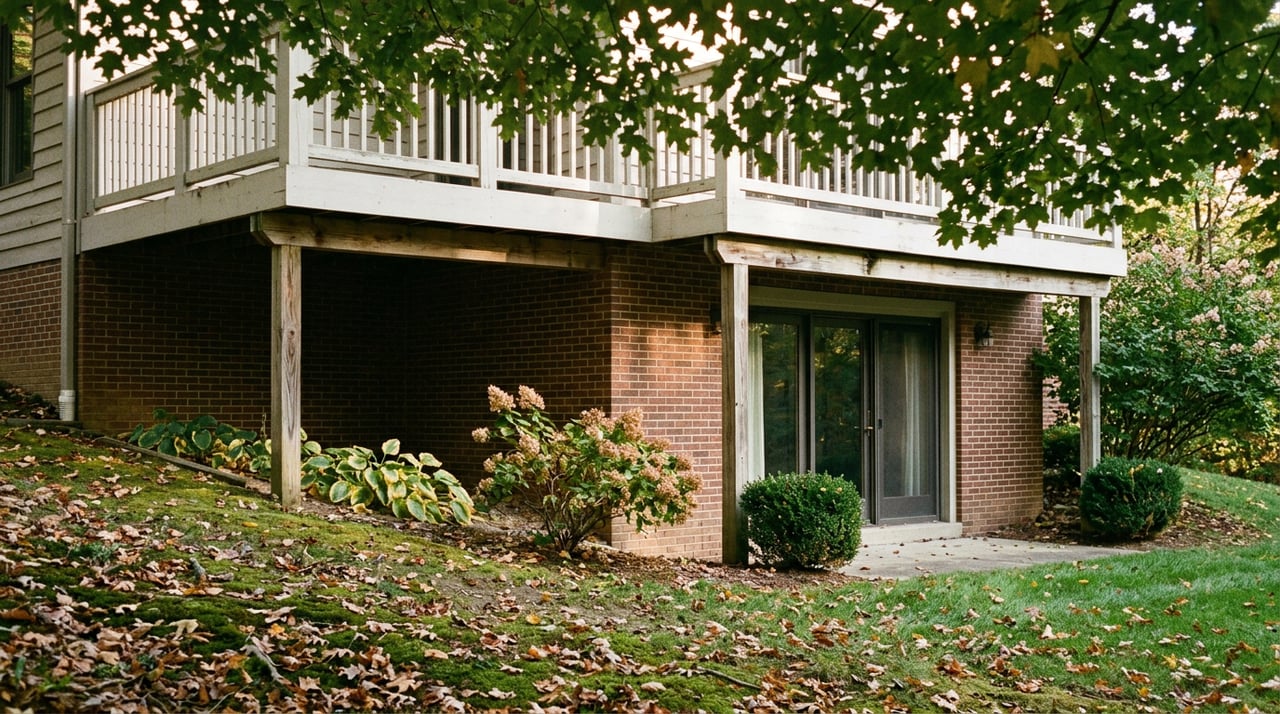
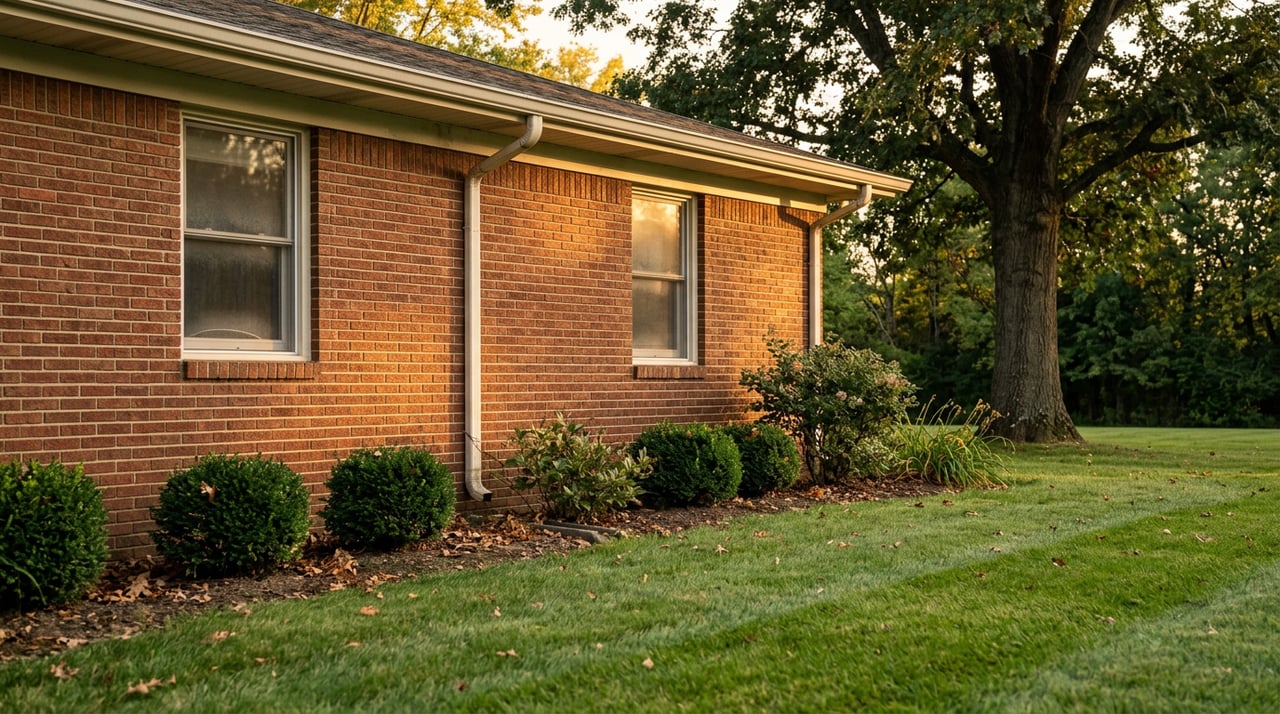
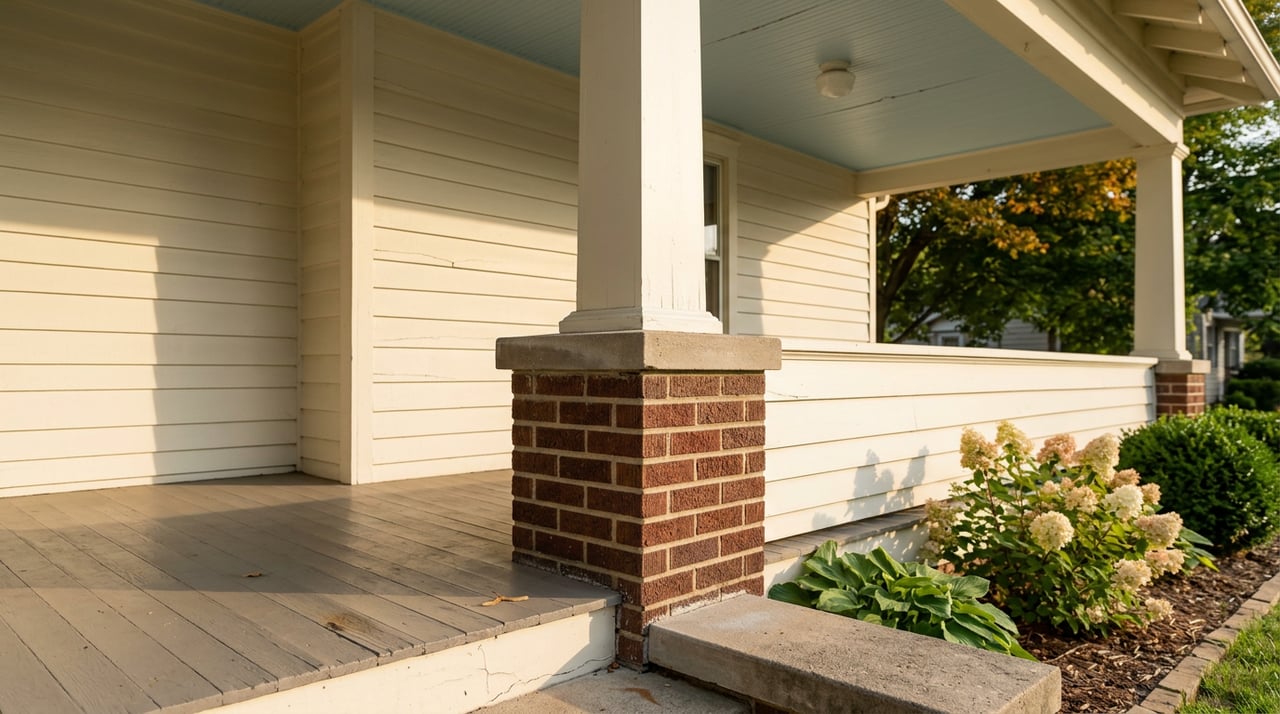
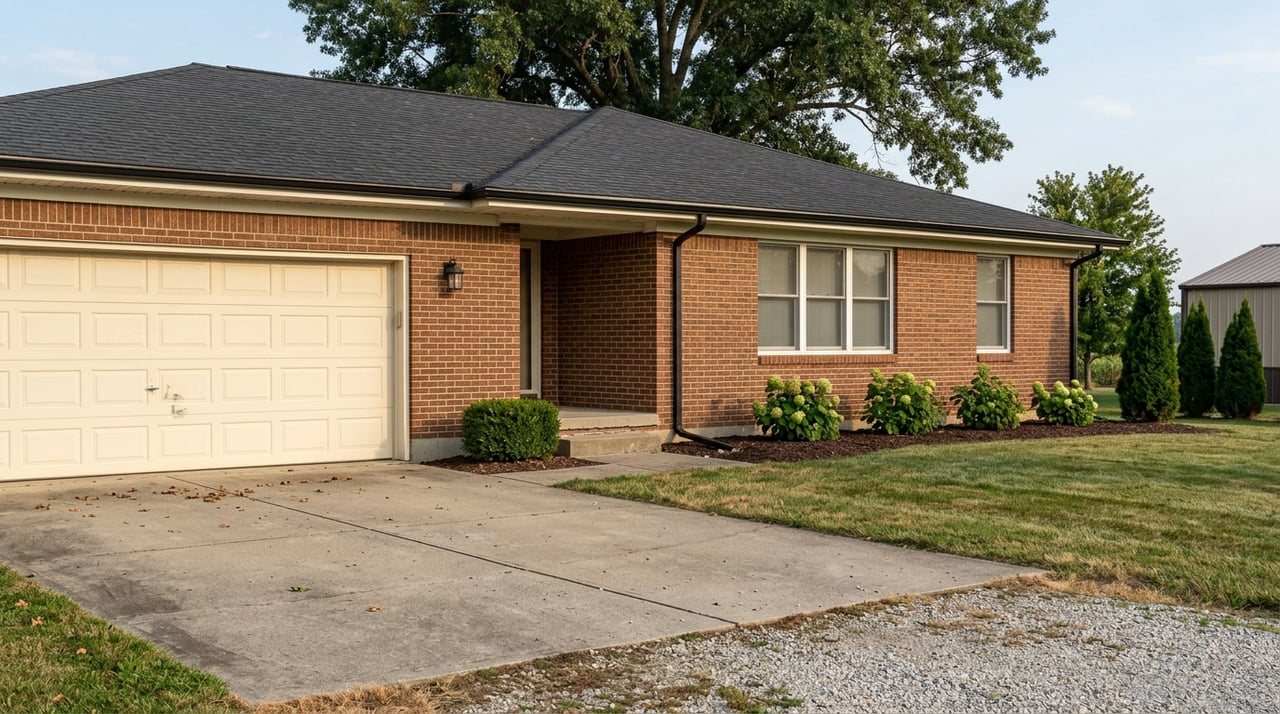
You will typically find modest single-family homes that span decades of construction. That includes older 19th and early 20th century houses with character details, mid-century ranches and bungalows, plus occasional newer infill. Most village lots are relatively small, often under half an acre. Expect features like one- or two-car garages and small sheds. Large machine sheds and broad acreage are uncommon inside village limits.
Rural Sangamon outside the village
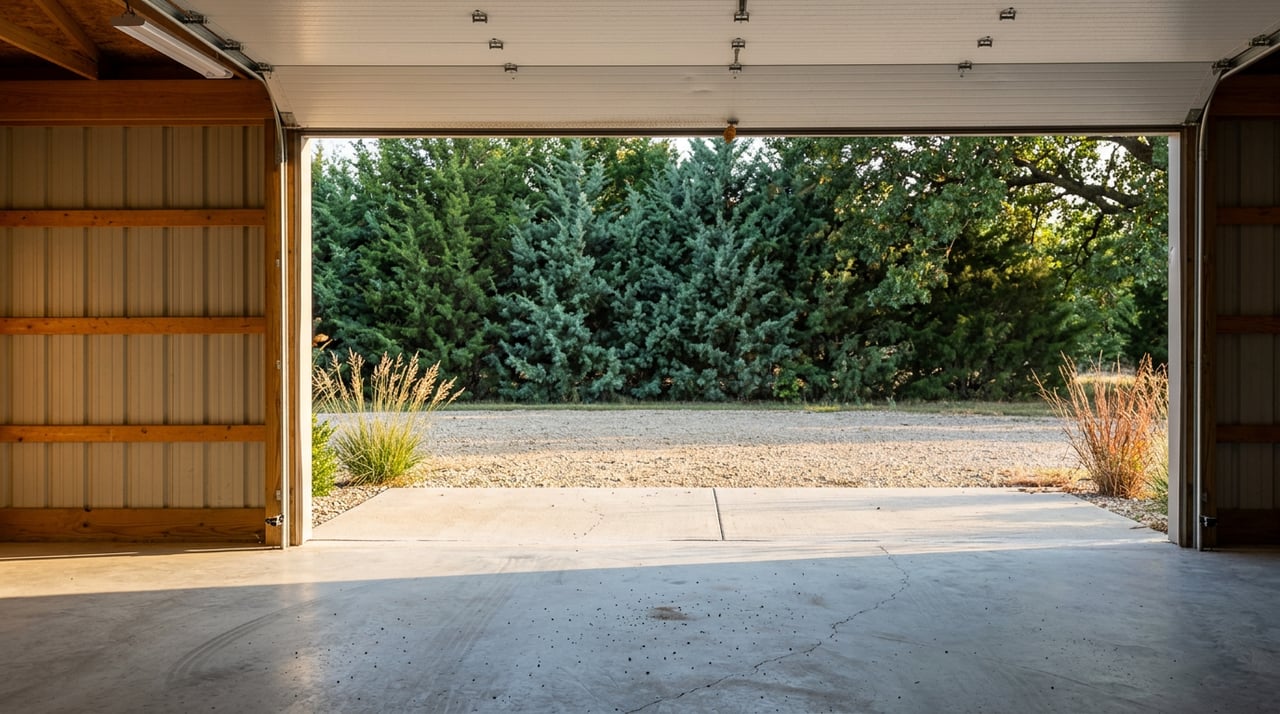
Step into the countryside and the range widens fast. You will see farmhouses, modern country builds, manufactured homes in some locations, and working farms. Many country residential parcels start around 1 to 5 acres, while agricultural tracts can run to dozens or even hundreds of acres. Accessory structures are common, including barns, pole buildings, machine sheds, and grain bins. Outside village limits, private wells and septic systems are the norm. For program details, permits, and licensed contractor lists, review the county’s Environmental Health guidance on wells and septic systems through the Sangamon County Department of Public Health.
- Learn more about local environmental health programs and permits on the county site: Sangamon County Environmental Health
- For village water and sewer policies and rates, see the Village of Pleasant Plains
Commute to Springfield
Pleasant Plains sits roughly 16 to 18 miles from central Springfield, with typical drive times of about 20 to 30 minutes depending on route and traffic. You can preview options using a route tool like Rome2Rio’s Pleasant Plains to Springfield page. Fixed-route bus service is focused within Springfield itself; the Sangamon Mass Transit District does not run frequent fixed routes to outlying villages like Pleasant Plains. Most commuters rely on a personal vehicle.
Wells, septic, and outbuildings: what to check
Buying in the country brings new due diligence items. With the right questions and inspections, you can go rural with confidence.
Who issues permits and keeps records
- Wells and septic: The Sangamon County Department of Public Health — Environmental Health handles permits, inspections, and program information for private wells and septic systems. They also publish lists of licensed professionals. Start here: Sangamon County Environmental Health
- Village utilities: In-town Pleasant Plains properties typically connect to village water and sewer. Policies and rate information are posted by the Village of Pleasant Plains.
Wells: key questions for buyers
Ask the seller and verify with records and inspections:
- Is the property on a private well or village water? If a well, request the well log, drill date, depth, static level, casing depth, and pump information. County records or the original driller’s log are ideal sources of truth.
- When was the last lab sample? As a baseline, plan on total coliform and E. coli, plus nitrates. Depending on nearby land use, add VOCs or pesticide screens. Coordinate timing and methods per local health-department guidance. Start with Environmental Health resources.
- What treatment equipment is on site, and who services it? Ask for service records and warranties.
- If the well is shared, confirm recorded easements and a written maintenance agreement.
- Confirm there are no abandoned or unsealed wells. Illinois requires proper sealing, and unsealed wells pose safety and contamination risks. See guidance via Environmental Health.
Septic systems: what to verify
- Identify the system type and approximate age.
- Request the septic permit and as-built map from the seller or county records. See Sangamon County Environmental Health for permitting and records.
- Ask for the last pump date and receipts. Walk the site for signs of backups, soggy ground, or unusually lush grass over the field.
- If you plan to add bedrooms or expand, ask whether the current system and drain field have capacity, and what the county would allow for upgrades.
Outbuildings, barns, and conversions
- Permits: Accessory buildings and any added electrical or plumbing may require permits. Converting a detached structure to living space typically needs zoning review and building permits. Check county or village permit records before you buy. See Sangamon County’s department portal for building and zoning links: Sangamon County departments
- Electrical and mechanical: Confirm that work in outbuildings was done to code. Lack of permits can affect safety and insurance.
- Property taxes: Farm buildings and improvements can be assessed differently for tax purposes. Review assessor records and the Illinois Property Tax Code for definitions and classifications. Start with the Illinois Property Tax Code
In-town vs. country: a quick checklist
Use this side-by-side guide to weigh your options.
Utilities and service
- In-town: Typically village water and sewer with regular billing. Confirm current rates and any planned changes with the Village of Pleasant Plains.
- Country: Often private well and septic. Ask for well logs, recent water tests, septic permits, and maps via Environmental Health.
Lot size and use
- In-town: Smaller lots and easier maintenance. Garages and small sheds are common.
- Country: More space for outbuildings, livestock facilities, or gardens. Plan for maintenance of barns, fencing, and driveways.
Commute and roads
- In-town: Quick access to village services and a manageable drive to Springfield. Reference typical 20 to 30 minute drive times using Rome2Rio.
- Country: Expect more daily driving. Ask who maintains your road or lane and how winter plowing works.
Schools and community services
- Pleasant Plains is served by Pleasant Plains CUSD #8. Review district details and contacts through the district’s website. Confirm bus routes and logistics directly with the district.
Farm and agricultural context
- If you are near active farms, understand that state and county programs and Right to Farm protections can affect nuisance claims. Review background material such as this EPA agricultural areas overview and confirm local details with county staff.
Insurance and financing
- Lenders and insurers often ask for water quality tests, septic inspections, floodplain maps, and access details. Plan time for these items in your contract.
Broadband and services
- Rural internet can vary by route. Check providers by specific address, not just by ZIP code.
Inspection and contingency to-dos
Build these into your offer to protect your interests.
Wells
- Request the well log and driller contact.
- Order lab testing for coliform, E. coli, and nitrates; add VOC or pesticide screening if land use suggests a risk. See Environmental Health testing guidance.
- Confirm pump age, pressure tank size, and treatment equipment records.
Septic
- Hire a licensed septic inspector for a full evaluation or dye test.
- Request permits and as-built maps from Sangamon County Environmental Health.
- Ask for pumping receipts and any repair documentation.
Outbuildings and improvements
- Request building, electrical, and plumbing permits and any certificates of occupancy.
- If you hope to add living space in an outbuilding, confirm zoning and permit steps with Sangamon County departments.
Title, easements, and taxes
- Ask for a thorough title search for easements, rights of way, and utility or conservation restrictions.
- Review assessor records and recent tax bills via the county’s portal found under Sangamon County departments.
Local resources you will use
- Sangamon County Environmental Health for well and septic permits, inspections, and contractor lists
- Village of Pleasant Plains for water and sewer service and village policies
- SMTD for Springfield-area transit routes
- Pleasant Plains CUSD #8 for district information and contacts
- Sangamon County departments for building, zoning, parcel, and tax portal links
Ready to compare properties with a local guide?
If you want the clarity that comes from on-the-ground experience in central Illinois land and country homes, connect with a regional specialist who understands wells, septic, outbuildings, and the market’s pace. For practical next steps and a no-pressure conversation about Pleasant Plains or rural Sangamon, reach out to Brad Graham.
FAQs
How far is Pleasant Plains from Springfield, and what are typical drive times?
- Pleasant Plains is roughly 16 to 18 miles from central Springfield, and the drive usually takes about 20 to 30 minutes depending on route and traffic; preview options on Rome2Rio.
Are Pleasant Plains village homes on municipal water and sewer?
- Many in-town homes connect to village water and sewer; confirm details and rates with the Village of Pleasant Plains, and verify utility connections during inspections.
What well tests should you order before closing on a rural home?
- At minimum, plan for total coliform and E. coli plus nitrates, and add VOC or pesticide screening if land use suggests risk; coordinate per Sangamon County Environmental Health guidance.
Who regulates septic permits and inspections in Sangamon County?
- The Sangamon County Department of Public Health — Environmental Health oversees septic permitting and inspections; start with their program page.
Can you convert a barn or shed to living space on a rural property?
- Possibly, but you must confirm zoning and permitting requirements with county staff and pull proper building, electrical, and plumbing permits; begin at Sangamon County departments.
Which school district serves Pleasant Plains?
- Pleasant Plains is served by Pleasant Plains CUSD #8; review district contacts and logistics at the district website.