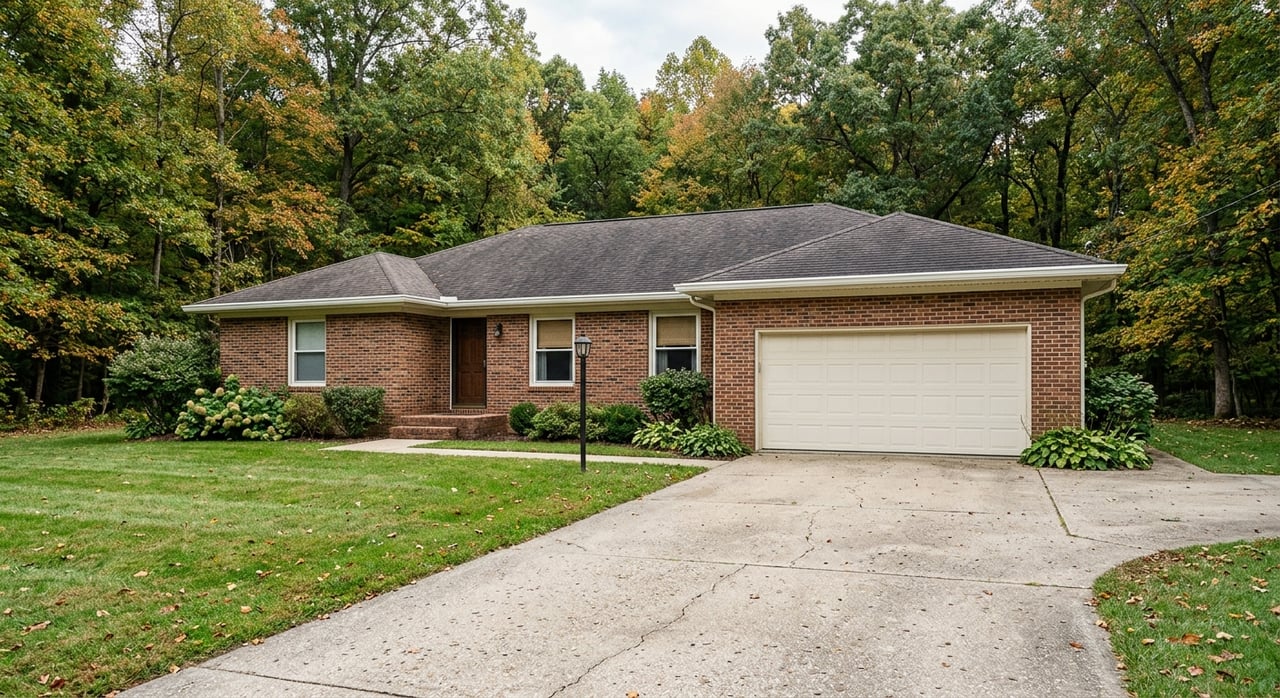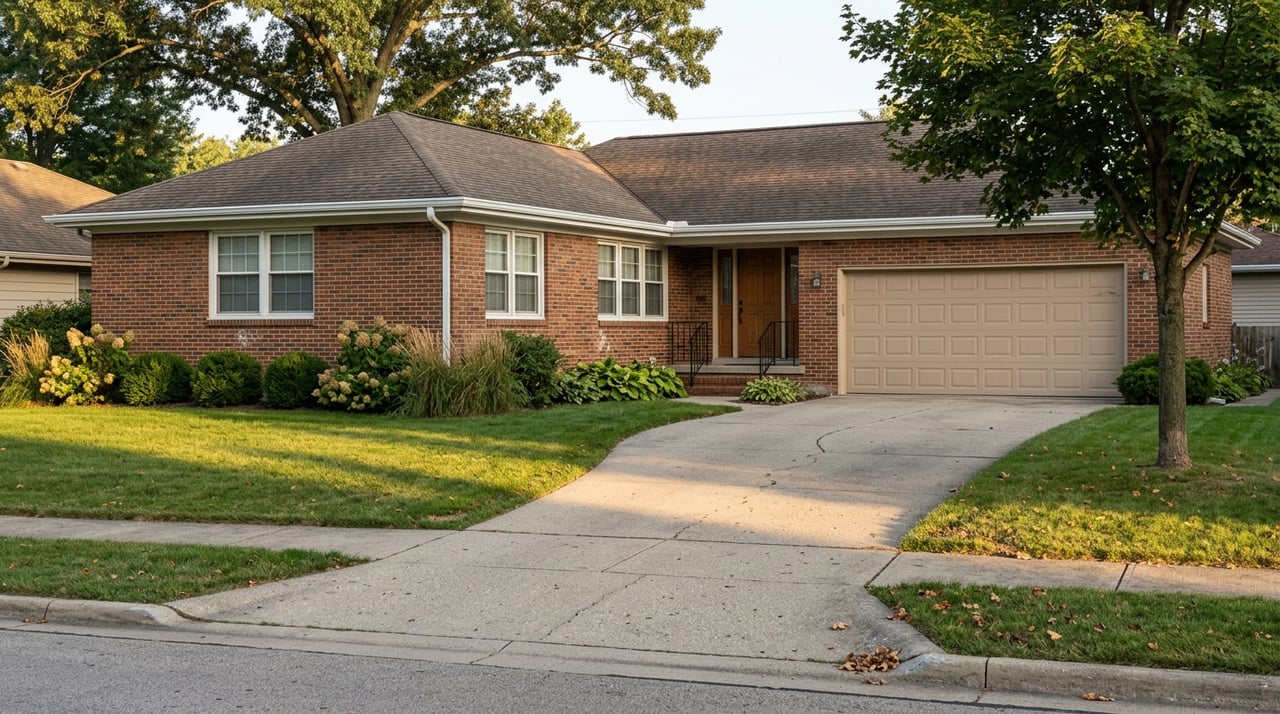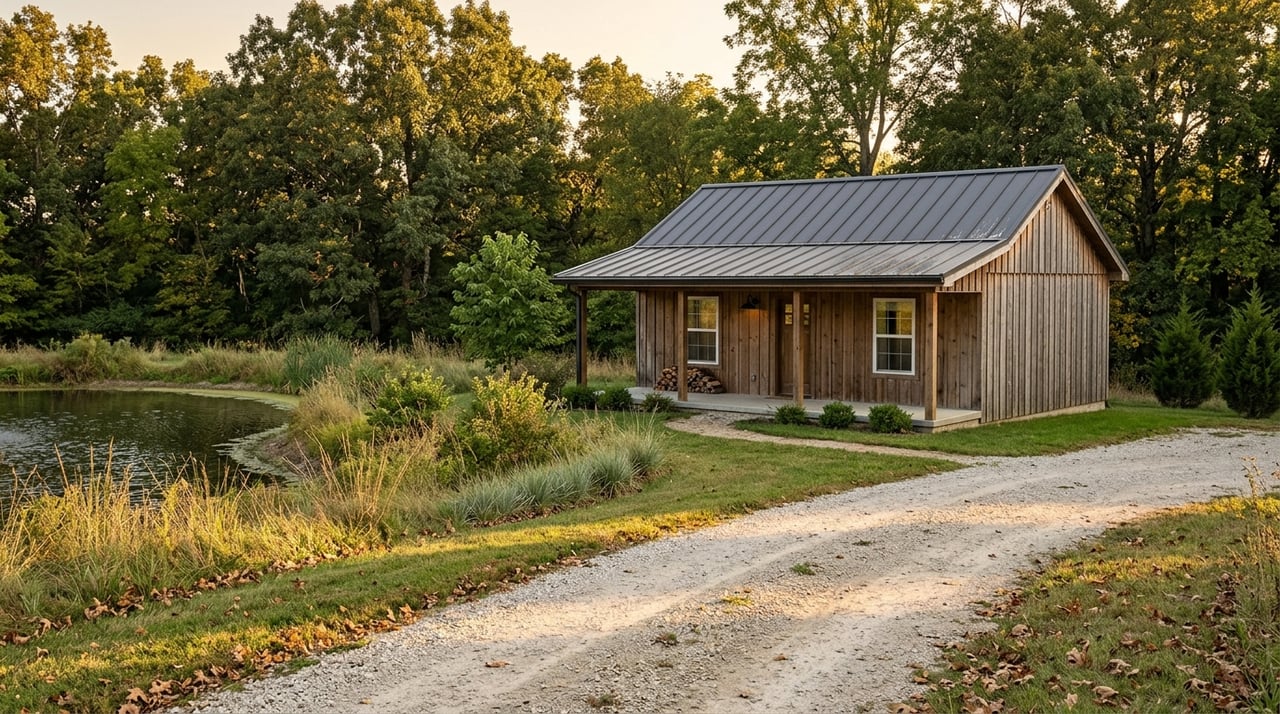
Looking for hunting or cabin land near Greenview, Illinois? It is easy to get excited by a pretty aerial photo or a quiet stretch of timber, but the right tract usually comes down to a few practical details. If you want a property that works well now and holds its value over time, you need to look closely at access, habitat, water, utilities, and local rules before you buy. Let’s dive in.
Why Greenview-Area Land Draws Buyers
The land around Greenview fits what many recreational buyers want in west-central Illinois: a mix of open ground, timber, water features, and room to build or improve a getaway spot. Nearby public lands help show the kind of habitat buyers often look for in this part of the state.
Jim Edgar Panther Creek State Fish and Wildlife Area covers 16,550 acres and includes forest, agriculture, grassland, and hill prairie. Sanganois State Fish and Wildlife Area includes sloughs and backwater lakes, with about 60 waterfowl blind sites. Green River State Wildlife Area adds more variety with sloughs, prairie restorations, open fields, cultivated areas, and timberland.
That mix matters because it shows what drives recreational land value near Greenview. In simple terms, buyers are usually comparing how well a private tract offers dependable access, useful habitat, water, and flexibility for a cabin or weekend use.
Start With Access First
A beautiful tract can lose a lot of appeal if access is unclear or hard to maintain. Before you focus on deer trails, food plots, or cabin plans, make sure you understand how you will legally and practically get in and out of the property year-round.
Menard County provides GIS parcel records and a property search that can help you start your review. The county notes that these records are for property-tax and reference purposes only, so they are helpful for early research but should not replace a survey or title work.
Road access is also worth a closer look because different roads fall under different jurisdictions. In Menard County, access may involve state highways, county highways, road districts, or municipal streets. The county highway department maintains 95 miles of county highways and 24 bridges, while also advising road districts on 392 miles of roads and 49 bridges.
That can affect everyday use more than many buyers expect. If you are looking at a hunting property or cabin site, road type can shape snow removal, driveway access, culvert needs, and long-term maintenance.
Check Road Jurisdiction Early
If a tract needs a new driveway, culvert, or utility work, confirm road jurisdiction before you make plans. Menard County’s highway department publishes policies for utility permits, right-of-way use, and entrance culverts.
This is one of those steps that can save you time and money later. A parcel may look simple on a map, but the road details can change how easily you can improve the site.
Understand County vs. Village Rules
Not every property near Greenview is governed the same way. Menard County zoning applies to unincorporated areas and villages without their own ordinances, but the county says it does not administer ordinances for Greenview.
That means you should verify whether a property is inside the Village of Greenview or outside it under county jurisdiction. This becomes especially important if you are thinking about a cabin, utility hookups, or future improvements.
Inside Greenview, the village says it provides water service, and electric and gas service are through Ameren Illinois. The village clerk also handles water sign-up and questions about ordinances and sewer maps.
What To Look For On Hunting Land
When you tour hunting land near Greenview, it helps to think beyond total acreage. A smaller tract with the right cover, water, and access can be more useful than a larger tract that lacks the basics.
Start with the habitat mix. In this part of Illinois, many buyers compare timber, grass, crop edges, wetlands, sloughs, ponds, and travel corridors rather than just counting acres.
The nearby public-land pattern supports that approach. Jim Edgar Panther Creek blends forest, farmland, grassland, and hill prairie. Sanganois leans into bottomland timber and water. Green River mixes sloughs, prairie, open fields, cultivated ground, and timberland.
Focus On Habitat Diversity
Habitat diversity often matters because different land features support different uses and wildlife patterns. A tract with timber, edge cover, and nearby water may give you more flexibility than one with only open ground.
If waterfowl or mixed-species hunting matters to you, water features deserve extra attention. Illinois sits within the Mississippi Flyway, and the Illinois Department of Natural Resources notes that waterfowl use rivers, wetlands, ponds, and swamps as migration habitat.
Study Neighboring Land Uses
The land next door matters too. Nearby public tracts, crop leases, managed habitat areas, and other recreational ground can influence hunting pressure, noise, and movement patterns.
In many cases, the neighbors shape your experience almost as much as the parcel itself. A strong property review should include both the tract and the surrounding land use.
Existing Habitat Work Can Be A Plus
If a property has active habitat work or leased ground, that may be a positive sign. Nearby public sites in the region use habitat management, crop leasing, and restoration work to improve food and cover.
That does not guarantee a private tract will perform the same way, but it does show that managed improvements can play an important role in this local recreational market.
Cabin Readiness Matters More Than Buyers Expect
If you plan to build a cabin or use the land for regular weekend stays, practical infrastructure should move near the top of your checklist. A tract can have great hunting and still be a poor fit if utilities, well placement, or septic needs are difficult.
For land inside Greenview, village water service is available, and electric and gas service are through Ameren Illinois. For rural acreage outside the village, you should confirm whether utility service is available at the road, whether lines must be extended, or whether the property will rely on private systems.
Review Well Needs Carefully
If a rural tract will use a private well, testing and placement matter. Illinois EPA and IDPH say private-well owners are responsible for regular testing and recommend testing at least once a year for coliform bacteria and nitrates.
Illinois EPA also says a new well should be on high ground and at least 50 feet from septic tanks, barnyard or animal-confinement lots, and 75 feet from septic fields and manure piles. On older farm or cabin sites, it is also smart to ask whether there are any abandoned wells.
Abandoned wells must be properly sealed within 30 days of abandonment or when no longer used. That is an easy item to miss if you are buying acreage with a long history of farm or rural use.
Check Septic Planning Early
Septic is another major part of cabin planning. Septic systems are the homeowner’s responsibility, should be inspected annually, and are generally pumped every two to three years if needed.
Menard County’s health department works with Sangamon County to provide private sewage disposal and potable water supply services in Menard County. It also posts forms for septic installation and for water-well construction, modification, or abandonment.
Do Not Skip Floodplain Review
Low ground can be attractive for views, wildlife, or water access, but it can also bring added limits or costs. If a cabin site is near a creek or in a low-lying area, floodplain review should be part of your early due diligence.
Menard County has a floodplain ordinance, and FEMA’s Flood Map Service Center is identified by FEMA as the official public source for flood-hazard information. Checking this before closing can help you avoid surprises about where improvements can go.
Hunting Rules Still Matter On Private Land
Buying your own tract gives you more control, but it does not remove state hunting rules. The Illinois Department of Natural Resources says hunting on private land is allowed with landowner permission, and it offers a Land Access Permission Card to document that permission.
If you are comparing private ownership with public hunting options, keep in mind that public areas may require windshield cards and, at some sites, site-specific permits. IDNR also advises hunters to rely on the current digest and site fact sheets because seasons and site rules can change from year to year.
In general, Illinois hunters need a hunting license, and hunters born on or after January 1, 1980 need hunter safety certification before buying a license. In most cases, a state habitat stamp is also required.
Waterfowl hunters also need the state waterfowl stamp and federal waterfowl stamp, migratory-bird hunters need HIP registration, and hunters using firearms need an Illinois FOID card. Even when you are buying land mainly for recreation, it helps to understand these rules ahead of time.
Use Public Land As A Comparison Tool
Public land near Greenview can be a helpful benchmark when you are deciding whether to buy. It shows you the habitat patterns common to the area, but it also highlights what private ownership can offer.
For example, Jim Edgar Panther Creek restricts parking to designated hunter lots and public roadways only. If you want predictable entry, fewer site rules, and the ability to shape your own routine, private acreage can offer real advantages.
IDNR’s IRAP program is another useful comparison point. It provides controlled public access to leased private land, but it requires registration, a liability waiver, and a reservation or site assignment.
That makes it easier to compare your options clearly. If you want convenience and control, owned land may be the better fit. If you want occasional access with less commitment, public or access-based options may be enough.
A Smart Buying Checklist
Before you buy hunting or cabin land near Greenview, make sure you have answers to these basics:
- Confirm legal and practical access to the tract
- Review GIS records as a starting point, not a final answer
- Verify whether the property is inside Greenview or under county jurisdiction
- Check road jurisdiction for driveway, culvert, and utility planning
- Evaluate habitat mix, water sources, and neighboring land uses
- Ask about utility availability at the road or on site
- Review well and septic needs for rural acreage
- Check for abandoned wells on older tracts
- Review floodplain status before planning a cabin site
- Understand current Illinois hunting requirements and seasonal rules
Why Local Land Guidance Helps
Recreational land is different from a standard home search. A strong property can look simple at first glance, but the real value often comes from details you only see when you review access, habitat, utility options, and local jurisdiction together.
That is why a practical, land-focused approach matters. When you know how to screen a tract properly, you can spend less time chasing the wrong property and more time finding one that fits the way you actually plan to use it.
If you are exploring hunting or cabin land near Greenview, working with a brokerage that understands rural property can make the process clearer from the start. When you are ready to talk through acreage, access, and what makes a tract usable long term, connect with Brad Graham.
FAQs
What should you check first when buying hunting land near Greenview, Illinois?
- Start with access, road jurisdiction, habitat, water, and whether the property’s intended use fits local rules.
How do GIS parcel records help with Greenview-area land searches?
- Menard County GIS parcel records can help you identify and compare tracts, but the county says they are for property-tax and reference purposes only.
How can you tell if land near Greenview is under village or county rules?
- You should verify whether the tract is inside the Village of Greenview or in an unincorporated area, since Menard County says it does not administer ordinances for Greenview.
What habitat features matter on hunting land near Greenview, Illinois?
- Timber, grass, crop edges, wetlands, sloughs, ponds, and travel corridors are all important features to compare when reviewing a tract.
What utility questions should you ask about a cabin tract near Greenview?
- Ask whether water, electric, and gas are available, whether service must be extended, and whether the site will need a private well or septic system.
What should you know about wells and septic on rural land in Menard County?
- Private-well owners are responsible for regular testing, wells need proper placement, septic systems require ongoing maintenance, and the county health department posts forms for well and septic work.
Why should you review floodplain maps before buying cabin land near Greenview?
- Floodplain status can affect where you build and how you use the land, especially on low ground or near creeks.
What Illinois hunting rules apply to private land near Greenview?
- Hunting on private land requires landowner permission, and hunters may also need a hunting license, hunter safety certification, habitat stamp, and other permits depending on the season and method.