Thinking about your first hunting tract near Petersburg? You are not alone. Menard County’s mix of row crops, timbered river corridors, and small wetlands makes it a practical place to start. In this guide, you will learn what to look for, how to evaluate properties through the seasons, and the key steps to take before you buy. Let’s dive in.
Why Menard County works for hunters
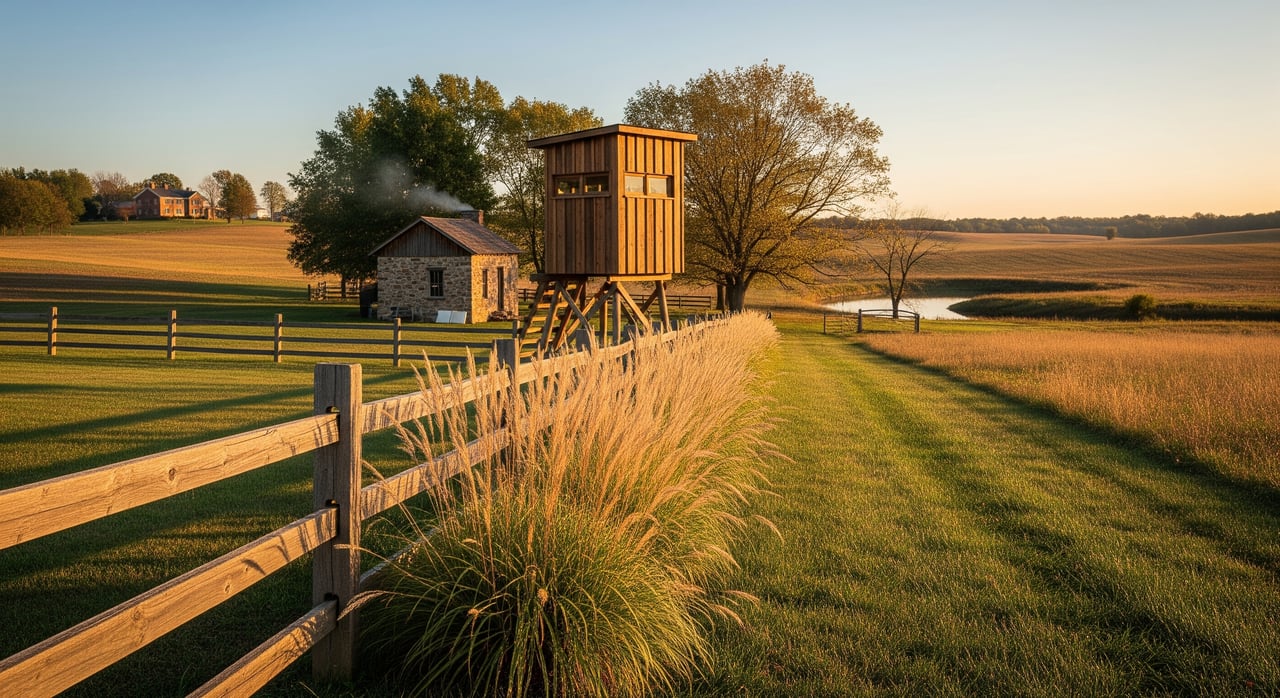
Menard County sits in central Illinois farm country, with corn and soybeans surrounding woodlots, fencerows, and brushy edges. Around Petersburg, the Sangamon River and its floodplain shape wildlife movement and seasonal water. You will find fragmented timber, but those riparian corridors often act like highways for game.
Typical species include white-tailed deer, wild turkey, small game, and seasonal waterfowl along low-lying areas. Habitat quality depends on the mix of mature trees, thick bedding cover, edge habitat, and reliable water. Parcels vary widely, so focus on how the property connects to nearby cover and crops.
Start with access and boundaries
Legal access and easements
Confirm how you reach the property before you fall in love with the habitat. Does it front a public road, or do you need a recorded easement across a neighbor’s land? Ask for easement documents with a legal description and exhibits. Walk or drive the route to verify it is open, passable, and clear on who maintains it.
Look for gates, locked entrances, and steep lanes that can get slick in wet seasons. Prescriptive access is risky. A recorded permanent easement or clear county/township road frontage is the standard you want.
Surveys, title, and reserved rights
Request a recent boundary survey, especially on irregular or timber-heavy tracts where old fences can be misleading. Have a title company or attorney check for utility or pipeline easements, conservation easements, and any severed mineral or timber rights. These items affect use, value, and your long-term plans.
Evaluate habitat and improvement potential
Deer and turkey features
For deer, prioritize a mix of bedding cover, mast-producing trees like oaks and hickories, and safe travel corridors that connect to nearby crops. Turkeys prefer open timber with roost trees and adjacent grassy openings for feeding.
Small improvements can go a long way. Consider native warm-season grass strips, strategic edge management, food plots, or mast tree plantings. If you plan wetland or pond work, check permitting requirements first.
Waterfowl and water sources
Seasonal wetlands, backwater features near the Sangamon River, and managed ponds create waterfowl opportunity during migration. In this low-relief farm landscape, even small, well-managed water sources are valuable. Learn how tile drainage and ditches influence wet spots, pond levels, and access after heavy rain.
Neighboring uses
Expect active farm operations nearby. Planting and harvest bring equipment traffic, dust, and fieldwork. Ask neighbors about hunting pressure, boundary etiquette, and any livestock or chemical application timing. Simple conversations help set expectations and reduce conflicts.
Water, soils, and floodplain
Parts of the Sangamon River corridor fall within FEMA floodplains. If you plan to build or finance a structure, floodplain rules and flood insurance may apply. Map the parcel’s soils and hydrology to find hydric areas, tile outlets, and likely wet-season bottlenecks. These details impact habitat value and where you can place improvements.
Useful tools include floodplain maps, county drainage and tile information, and soil mapping resources. Checking these early can save time and help you budget for access or drainage fixes.
CRP and conservation programs 101
The Conservation Reserve Program (CRP) pays landowners to keep agricultural acres in vegetative cover to control erosion and support wildlife. Contracts typically run 10 to 15 years and stay with the land when it sells. As a buyer, you must accept the contract’s terms, including any maintenance obligations.
Before you contract, verify CRP details with the local USDA Farm Service Agency office. Confirm the annual payment, acres enrolled, practice codes, and the contract end date. Early termination can trigger penalties. If you hope to change practices or enroll additional acres, ask about eligibility and timing.
Other programs, such as NRCS EQIP or state cost-share options, can help fund habitat work like grass plantings, edge enhancement, or wetland restoration. Also be aware that conservation easements can permanently limit development, which may be a benefit or a constraint depending on your goals.
Seasonal timing tips
Farm calendar and access
Spring planting and fall harvest are busy seasons around Petersburg. Fieldwork affects privacy, sound, and sometimes your ability to get in and out. Wet spring conditions can make lanes and low ground impassable. If possible, visit in a wet period to see real-world access.
Hunting season insights
In central Illinois, the deer rut peaks in late October through November. Walking the property in late fall can reveal travel corridors and high-use areas. Waterfowl activity increases with fall migration, especially in floodplain pockets. Spring turkey season is a great time to evaluate roosts and grass openings.
Vegetation cycles
Winter, when leaves are off, helps you spot trails, stand composition, and subtle topography. In summer, you can judge cover thickness, invasive pressure, and small wetland extent. Seeing the land in multiple seasons gives you a clearer picture of how it truly hunts.
Showing and due diligence checklist
Documents to request
- Recent survey and legal description
- Deed history and recorded easements or covenants
- Latest property tax bill
- Copies of active CRP or FSA contracts and maps
- Boundary marker plan or survey corners
Field checklist for a showing
- Access: road frontage or easement terms, gates, and lane condition
- Boundaries: survey pins, fence lines, and any encroachment signs
- Habitat: woods-to-open ratio, mast trees, understory density, edge habitat, food plot sites
- Water: pond condition, seasonal wetlands, drainage ditches, flood indicators
- Soils and drainage: tile outlets, wet spots, erosion areas
- Improvements: cabins, barns, blinds, wells, septic, and permit history
- Hunting pressure: existing stands, trails, food plots, and boundary postings
- Neighbors: typical land use, tile drainage patterns, livestock, and spray timing
Advisors and local offices
- Title company or real estate attorney for deed and easement review
- Licensed surveyor to confirm boundaries, especially in timber
- Menard County Recorder and Assessor for records and tax history
- Menard County zoning or township offices for building and access questions
- USDA FSA and NRCS offices for CRP, conservation practices, and aerial mapping
- Wildlife or forestry consultant for a habitat assessment on larger tracts
- Lender to confirm down payment, terms, and flood insurance needs if applicable
Financing basics for land buyers
Land loans differ from residential mortgages. Expect larger down payments and underwriting that focuses on the land’s use and your overall profile. Local banks, farm lenders, and specialized land loan products are common paths. A prequalification gives you clear targets and strengthens your offer.
If any part of your plan involves building, verify zoning and floodplain status early. Some lenders require flood insurance if improvements fall within a mapped flood zone.
Smart next steps in Menard County
Start with access and boundaries, then map the habitat and water. Visit in multiple seasons, talk with neighbors, and verify CRP or other conservation commitments with the proper offices. With a firm handle on these pieces, you can buy with confidence and begin planning improvements that fit your goals.
If you want a local, field-tested partner for central Illinois land, our team can help you evaluate options and choose the right path to purchase or, when the time comes, to sell or auction. For straight answers and practical guidance, connect with Brad Graham at Land & Home Real Estate.
FAQs
How does CRP transfer when buying in Menard County?
- CRP contracts stay with the land and generally transfer to you at closing, but you must accept the terms; confirm payment amounts, practice codes, and end dates with the local FSA office.
What counts as legal access to a hunting parcel?
- Public road frontage or a recorded easement with a legal description is the standard; always verify the route on the ground and confirm maintenance responsibilities in writing.
Can you build a small cabin in a floodplain near Petersburg?
- Building in a mapped floodplain may be restricted and can trigger flood insurance requirements if financed; confirm with FEMA mapping and local zoning before you plan improvements.
What should you look for in deer habitat on small tracts?
- Seek thick bedding cover, mast trees, and safe travel corridors that tie into nearby crops; edge enhancement and small food plots can improve consistency.
How is financing different for vacant land in central Illinois?
- Land loans often require higher down payments and different underwriting than home mortgages; talk to local banks or farm lenders and get prequalified early.